

“Cultivate the habit of being grateful for every good thing that comes to you, and to give thanks continuously. And because all things have contributed to your advancement, you should include all things in your gratitude.”
– Ralph Waldo Emerson
I’ve always been interested in self-improvement and personal growth, but the sheer volume of information online astounded me. A new book or an article appeared to be published every day with the promise of revealing the keys to contentment, satisfaction, and happiness. It was easy to become perplexed while filtering through all the information, options, and methods.
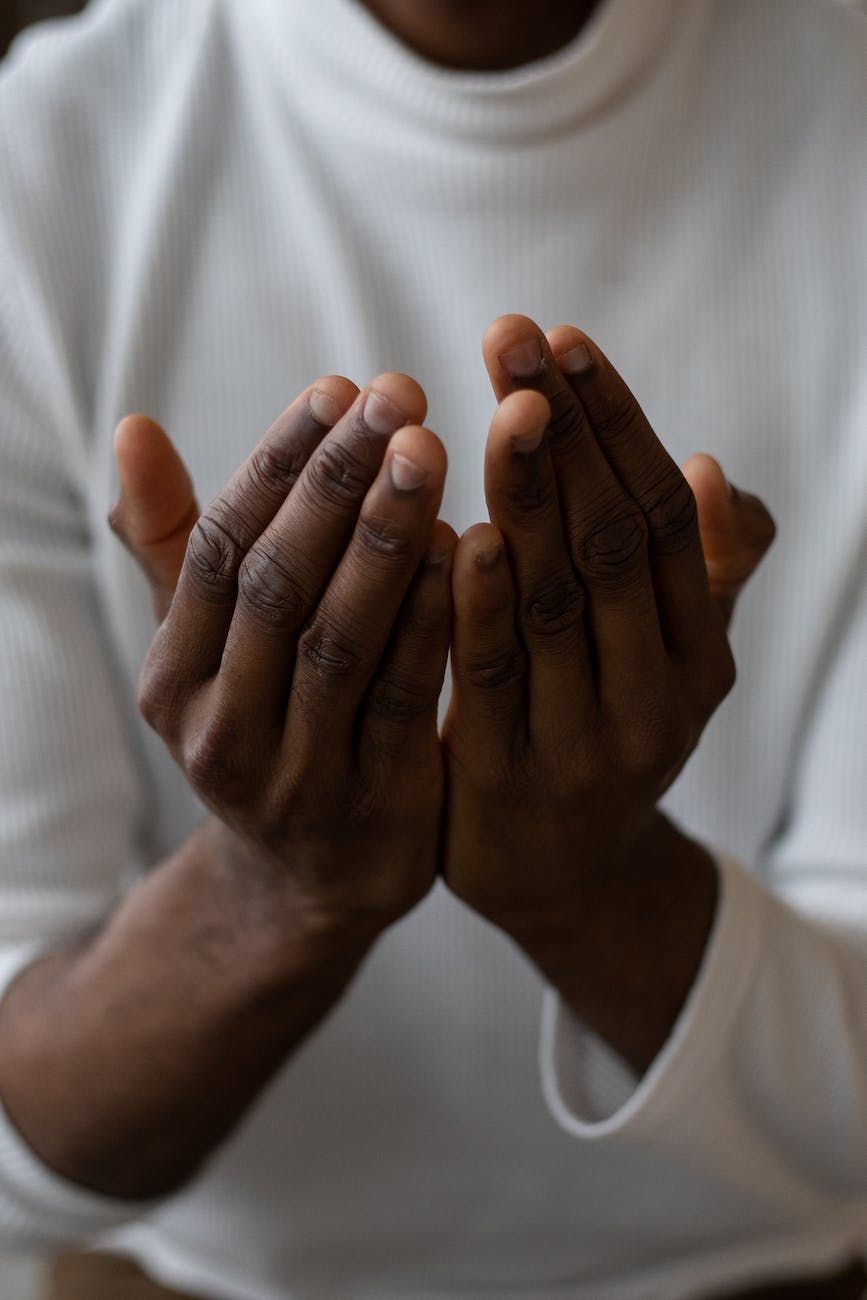
However, there was one simple practice that I stuck to, that did not require any pre-planning or equipment: gratitude. This practice, which involved nothing more than taking a few moments each day to focus on the things I was grateful for, proved to be a powerful tool. The word “Shukrana or Shukr“, comes to mind during the day, because I heard it many times from my mother or my grandmother. They would say it whenever they sat down to relax or when they finished eating, or even at random times of the day, just thanking god for everything
The word “Shukrana” is an Urdu word that is derived from the Arabic word “shukr” meaning “gratitude” or “thanks.”. In Urdu, “Shukrana” is used to express gratitude or thanks to someone. It is a commonly used word in the Indian subcontinent and is often used as a way of showing appreciation and acknowledgement for something someone has done for you.
The Science of Gratitude
A study in the Journal of Personality and Social Psychology found that practicing gratitude can enhance psychological health by boosting positive thoughts and lowering negative feelings (Emmons & McCullough, 2003). Gratitude is associated with elevated levels of satisfaction in life, optimism, and positive attitudes, according to another study published in the Journal of Positive Psychology (Wood, Joseph, & Maltby, 2008). These findings suggest that gratitude may be essential in fostering general well-being and happiness.
Also, studies have demonstrated a clear connection between practicing gratitude and changes in our brain chemistry. The hypothalamus, a portion of the brain that controls stress and other physiological processes, was shown to be more active in participants who practiced gratitude in a study that was published in the journal Cerebral Cortex (Kini et al., 2016). So, Being grateful may help in lowering stress and enhancing our physical well-being.
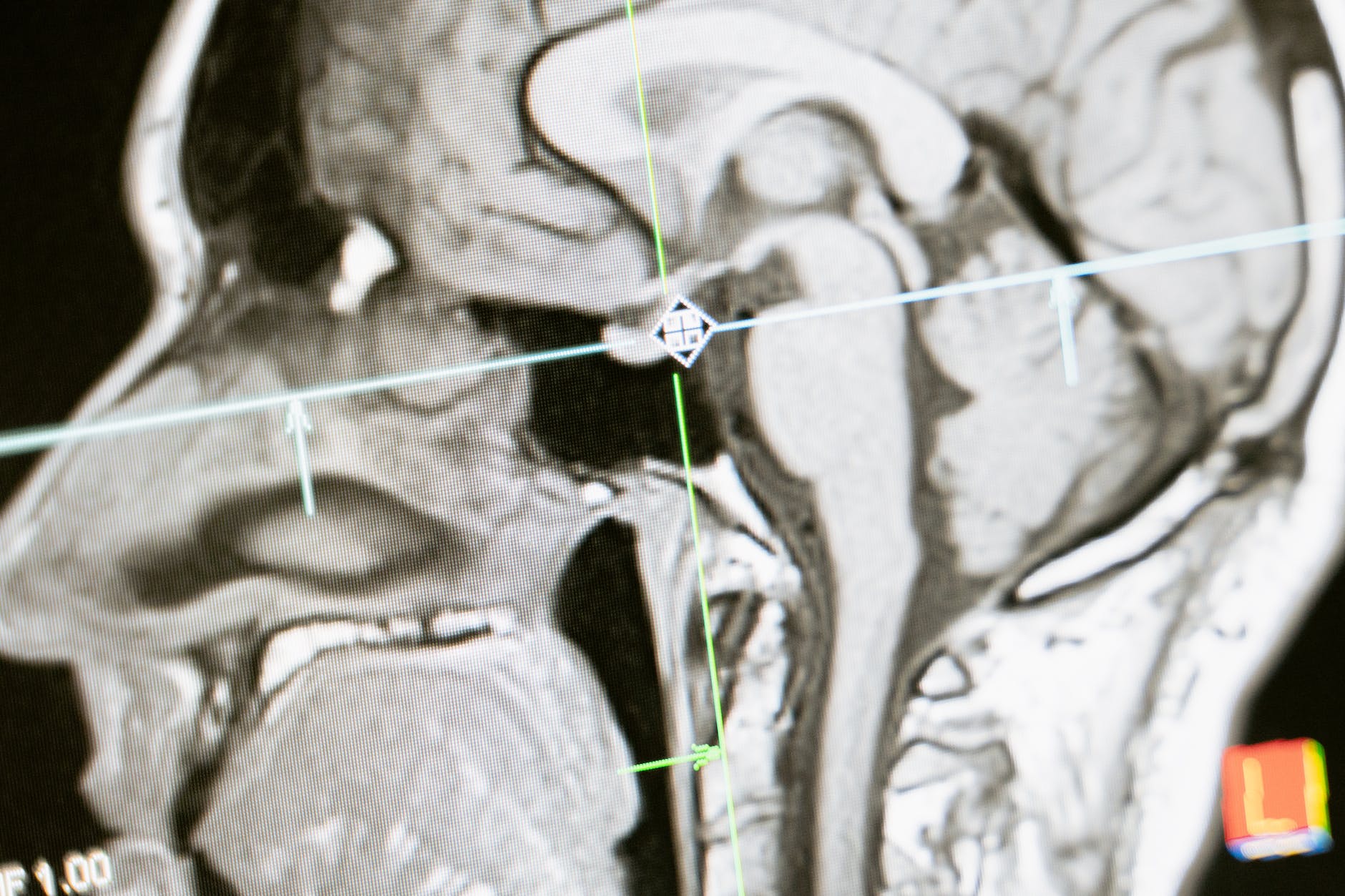
Gratitude can influence how our bodies produce certain hormones. For instance, a study indicated that practicing gratitude was linked to higher levels of the neurotransmitter dopamine, the “feel-good hormone,” in the Journal of Alternative and Complementary Medicine (Kyeong et al., 2015). Dopamine is recognized to play a significant role in motivation and reward, and elevated dopamine levels can produce positive emotions like pleasure and contentment.
Practicing Gratitude in Daily Life
The easiest way to practice gratefulness is to express it. Tell someone that you appreciate them, it will have an effect on you as well as the person you are expressing it to. There is even a research on it, where they discovered that when people express gratitude, there is an increased feeling of happiness and social connection (Algoe & Hadit, 2009)
Another way to incorporate this habit is by journaling it (I know, I said that it required no planning but stay with me on this one).
Even though you can practice gratitude by simply expressing it, making it a more personal habit and doing it on a daily basis is why keeping a gratitude journal comes in play. You don’t need a diary, even a note with a date on top on your phone is as good. Just write down 3 things you were grateful for after dinner when you were winding down for bed. Add a reminder in your phone so that you can be more consistent. Whenever you are feeling low, you can open your diary or notes, be reminded of all the things you have to be grateful for, which can help shift your perspective and improve your mood.
Here are 3 things I am grateful for today:
- A healthy body and mind.
- My family and friends
- All the dogs and cats in the world 😁
References:
Algoe, S. B., & Haidt, J. (2009). Witnessing excellence in action: The “other-praising” emotions of elevation, gratitude, and admiration. Journal of Positive Psychology, 4(2), 105–127.
Emmons, R. A., & McCullough, M. E. (2003). Counting blessings versus burdens: An experimental investigation of gratitude and subjective well-being in daily life. Journal of Personality and Social Psychology, 84(2), 377–389.
Kini, P., Wong, J., McInnis
 Designed by CKB
Leave a comment