

This post is for anyone thinking about LASEK surgery in Korea. I was frustrated by the lack of genuine reviews online, so I decided to share my honest experience. Let’s face it, most online reviews tend to be overly positive, sometimes even incentivized by hospitals offering discounts for glowing testimonials.
I’m sharing my experience, including pre-surgery checkups, costs, and the challenges I faced. I’ve tried to include all the details I can remember, but feel free to ask any questions in the comments!
Background
I have been wearing glasses and contact lenses for about 12 years. I didn’t really like wearing glasses, so I usually wore contact lenses. Contacts weren’t much better; the frequent headaches and constant awareness of something in my eye were wearing thin, so I finally mustered up the courage to go for laser eye surgery. I have lived in Korea, specifically in Daejeon, for six years. Daejeon does not have many English-speaking eye clinics, and I did not want to travel to Seoul to get eye surgery.
First appointment
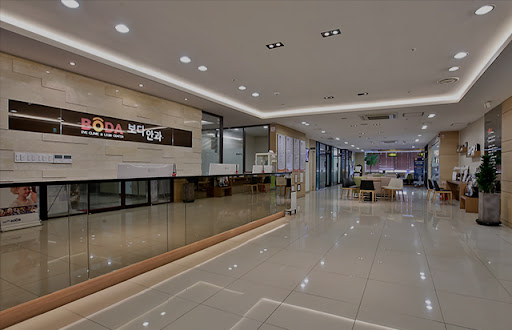
I searched Medical Korea website, where I came across Boda Eye Clinic. They mentioned about providing special English translation services. This sealed the deal; when it came to something as important as my eyes, clear communication was non-negotiable. I called them to book an appointment. The receptionist spoke only Korean, so she decided to text me instead when she realized that I could not understand her much. The appointment for an eye checkup was booked via text.
Instructions before the visit:
1. Bring your glasses for a prescription check.
2. Stop wearing contact lenses 3-5 days before the appointment.
The first appointment was a general checkup, where they checked my glasses, followed by various eye tests. The English translator wasn’t present, but it wasn’t an issue, because the instructions were easy to follow. They checked my eye power and aberration. Then I met my doctor who gave me a run-through of how the LASEK and LASIK procedures work. I was also informed that the the money spent on checkups would be deducted from the final bill after surgery. The consultant booked another appointment for an extensive eye checkup after 3 weeks.
Total cost of the first checkup: ~10,000 KRW
The Extensive Eye Checkup
Instructions before the extensive eye checkup:
1. Stop wearing contact lenses up until the surgery day.
2. Do not wear heavy makeup, especially eye makeup.
3. Do not drive after the visit (due to eye anesthesia drops).
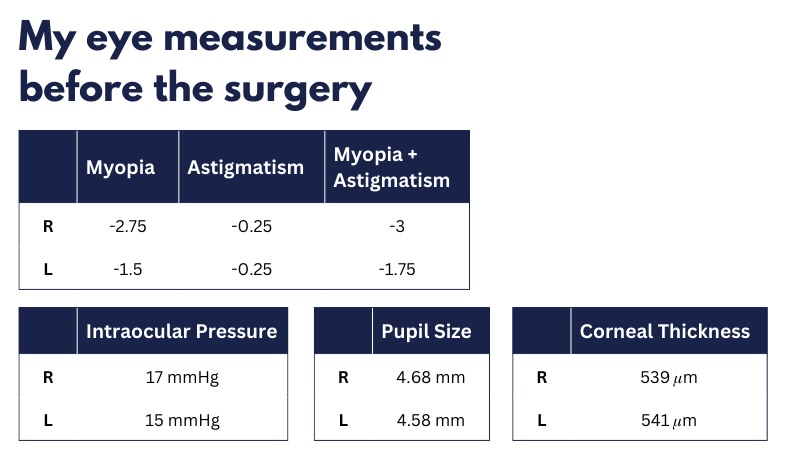
This time, the translator was present, and she guided me through the whole checkup. The general eye checkup was performed again, and then they numbed my eyes using anesthesia drops and measured the cornea thickness using a probe. I did not feel any discomfort during the checkup, but once it was over, my eyes felt a bit strange. It was like a mild sensation of something being off, but it faded away within about an hour or so.
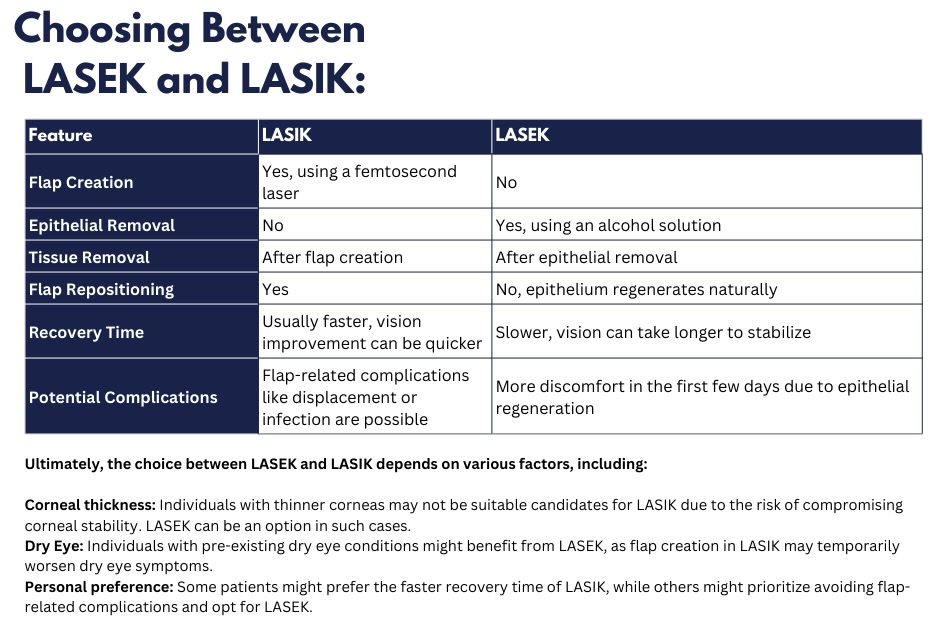
Why did I choose LASEK over LASIK?
Following my consultation with the doctor, I received the green light for both LASEK and LASIK procedures. The doctor took the time to walk me through the intricacies of each technique, laying out their respective advantages and disadvantages.
One concern stood out for me: while LASIK had a speedier recovery, there is a risk of the corneal flap dislodging in case of a significant impact on the head or face. On the other hand, LASEK required a longer initial recovery period as the epithelial layer needed time to regenerate, but offered greater long-term corneal stability, according to my doctor. Considering the minor price difference between the two options, I prioritized long-term peace of mind over immediate convenience. Hence, I opted for LASEK (with co-wave scout, corneal cross linking & personalized serum), confident that it offered the best chance of avoiding any potential long-term issues down the road.
Additionally my DNA was tested for ACD and GCD1 markers (Avellino DNA Dual Test).
Total cost of the extensive checkup: ~45,000 KRW
Avellino DNA Dual Test: ~100,000 KRW
Quoted price for LASEK (All Laser LASEK with Co-Wave Scout and Corneal Cross linking)= 1.8 million KRW (without discounts)
Quoted price for LASIK: Clear Femto= 2.5 million KRW (without discounts)
Pre-Surgery Preparations
These preparations were not mentioned by the hospital or a doctor. I did my own research beforehand, in order to have a comfortable post-operative experience.
The doctor gave me a heads-up: the first two days after surgery would be the roughest. He assured me the pain would be manageable with drops, but slowly improving each day. He even said I could be back at work on the fourth day, which was a bit hard to swallow, honestly.
One article online mentioned increased light sensitivity after LASIK or LASEK. I’m already sensitive to light, so, the night before the surgery, I went full blackout mode, covering every window and door that dared to let in even a sliver of light. Trust me, it was one of the best decisions I made – even the smallest amount of light felt like a spotlight on my eyes after surgery.
As a self-proclaimed planner extraordinaire, I also prepped the house . Fresh sheets, clean towels, a thorough vacuuming and sterilizing. Plus, I made sure everything I’d need was within arm’s reach on the nightstand.
The Day of Surgery
Instructions before the surgery:
1. Stop wearing contact lenses up until the surgery day.
2. Do not wear heavy makeup, especially eye makeup and perfume.
3. Wear comfortable clothes.
4. Bring sunglasses and a cap.
5. Do not drive after the surgery; use public transportation or a taxi.
6. Arrive an hour before the surgery.
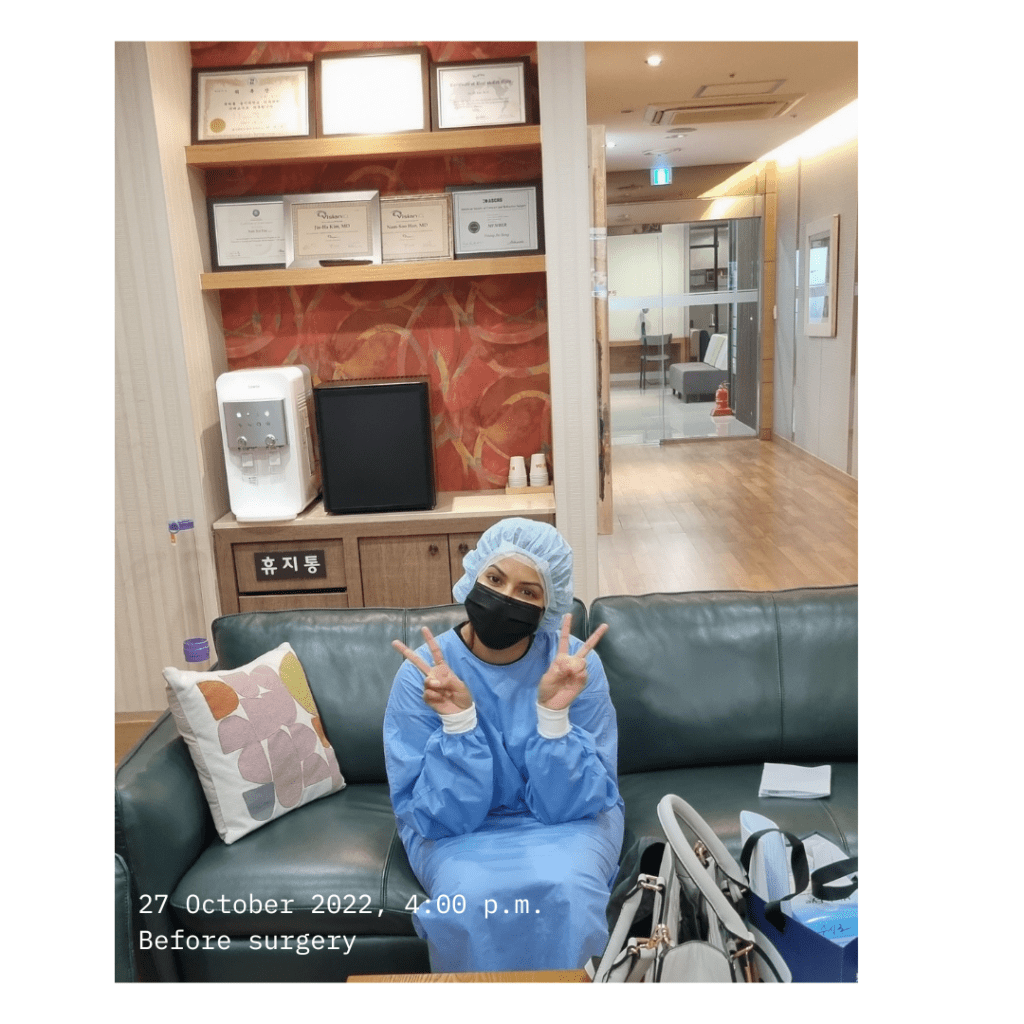
My surgery was scheduled at 4 pm, but they wanted me there by 3 at least. My translator stayed by my side the whole time, even in the operating room. They assured me I wouldn’t need a friend or family member – people usually come and go independently within an hour after surgery. My friend, however, was there for moral support, and I was grateful for their presence.
After re-checking my eye measurements and confirming my DNA test results, they sent me to the pharmacy to grab eyedrops, an eye shield, and other medications. I also opted for a personalized eyedrops made from my own blood serum, so they drew some blood for that.
Back in the room, they numbed my eyes with drops before taking me into the operating room. There, the doctor calmly explained everything. All they asked was for me to follow colored dots with my eyes, and within minutes, it was over! No pain, just a little drowsiness from the meds.
A protective lens was placed on each eye, which would be removed after a few days. After the procedure, they took me to a cozy room with a foot massager, dim lights, and some soothing tea. Once I felt up to it, we left the clinic. I could see, but everything was a bit blurry. Honestly, I think going solo is totally fine, but having my friend there definitely helped ease the nerves.
Post-Surgery Recovery
General Post-operative care for 3–7 days (not medicine routine)
1. Do not wash your face for three days, avoid getting water in your eyes. (wipe the face only with sterilized wet wipes).
2. Wear a protective shield while sleeping to avoid rubbing your eyes accidentally.
3. Do not wear makeup for two weeks.
4. Wear sunglasses outside (at least for a month).
5. Do not cook for the first three days ; try to avoid smoke (and no smoking).
6. Do not go to steam rooms, public showers, and avoid swimming or strenuous exercise.
7. Do not rub your eyes.
[Day 1 & 2]
The first 30 minutes after arriving home were a blur of intense pain. My eyes felt like they were on fire, tears streaming down my face. Sleep seemed impossible – closing my eyes ignited the burning sensation, and the protective shield made lying down anything but comfortable.
I propped myself up with pillows, put on my AirPods, and found solace in calming podcasts. This, combined with the numbing eye drops, worked wonders. I managed an hour of sleep, only to be greeted by the familiar pain upon waking. This cycle of agony, reflection (questioning my sanity for choosing this!), numbing drops, podcasts, and short bursts of sleep, became my reality for the next two days.
The light sensitivity was brutal. (Some people do not have this issue at all)
[Day 3]
The hardest part of it all wasn’t even the pain—it was finding ways to pass the time while also trying to sleep with the eye protector. I woke after a 3-hour nap (a luxury compared to those first few days) and noticed that my vision was a touch clearer, the burning sensation eased, and my eyes weren’t Niagara Falls anymore. With the analgesic eye drops, things became bearable enough to focus on sleeping more. I napped on and off throughout the day.
[Day 4]
I woke up and I was able to read the poster in front of me. I exclaimed: HD vision! (even though it wasn’t, but it was better than the blurry vision without the glasses). I felt brave and I decided to go to work. I wore sunglasses outside and tinted glasses in front of my computer screen. The pain was bearable, and I managed to catch up on some work. The vision became clearer and clearer in the coming days.
[Day 7]
Fast forward to day seven, and I was back at the clinic to remove the safety contact lenses and a post-surgery checkup. the doctor gently removed the lenses. Let me tell you: It was the best feeling! My eyes could finally breathe. From that moment on, I had no issue apart from some pain. My eyes were dry, and I religiously used the eyedrops. The pain drops were always with me in case I felt any pain.
If you have headaches after the surgery, it could possibly due to dryness. My doctor prescribed an eye-gel, that helps keep the eyes lubricated while you sleep. I suggest that if you have any issues, please don’t hesitate to let your doctor know.
Experience After One Year
In the end, the surgery was absolutely worth it. No more searching for my glasses first thing in the morning. Now, the only dry eye issues arise during long hours glued to the computer screen or during the dry winter months with heaters blasting. My tip? Experiment with different eye drops or artificial tears to find your perfect match. After a month, I switched brands and noticed a significant improvement. Other than that, it’s been smooth sailing!
Driving at night was a bit challenging for the first few months after surgery. But now, I have no issues driving at night. My cornea fully healed within the first month and my vision was completely restored. The last check-up confirmed it: 20/20 vision, baby!
Transparency statement: I am not affiliated with any specific hospital or clinic, and I have no financial incentive to promote any particular service.
 Designed by CKB
Leave a comment